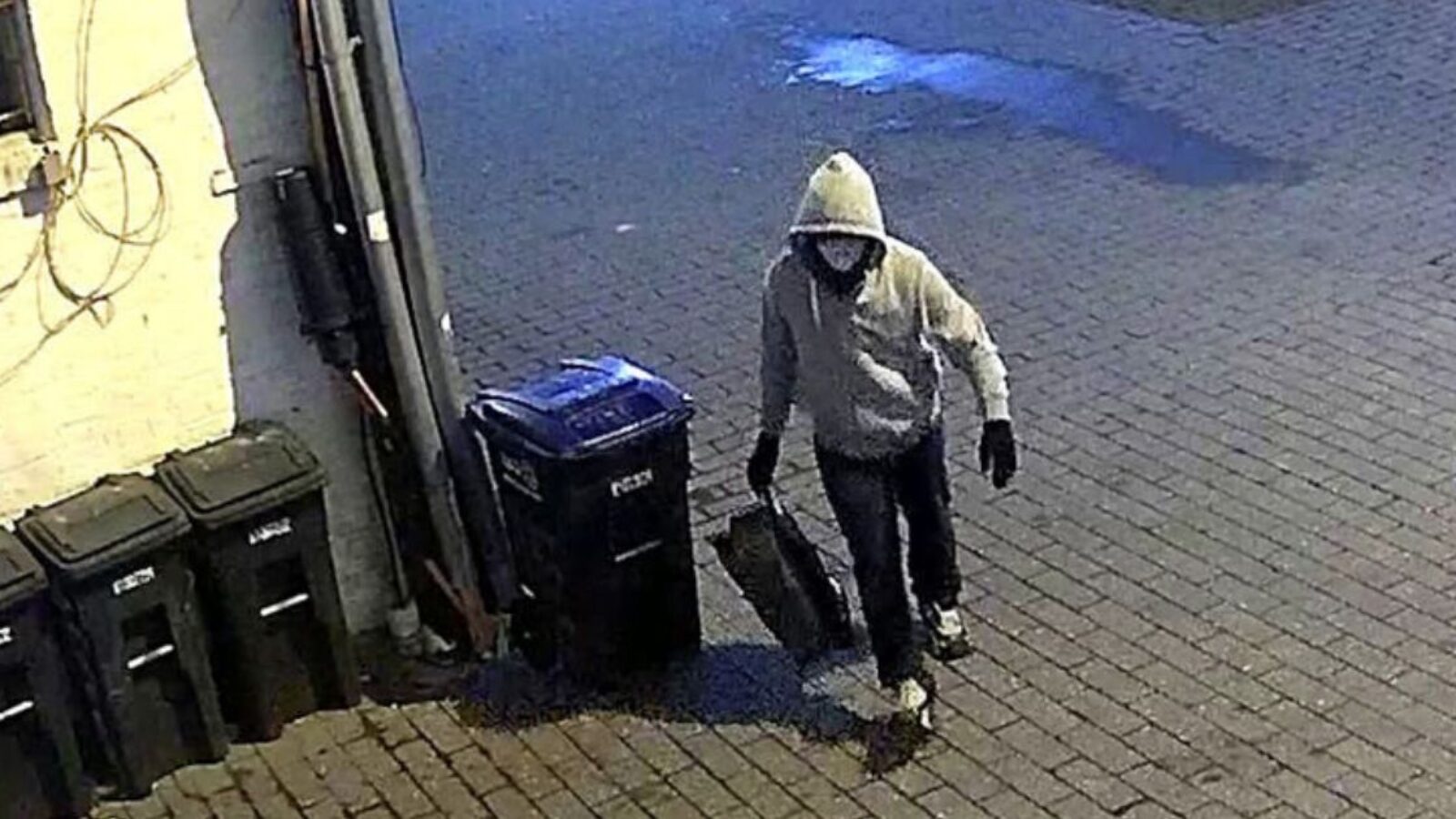
FBI Director Kash Patel is taking a bold stand to restore trust in the Bureau, delivering critical documents on the January 6th pipe bomb incidents to House Judiciary Chairman Jim Jordan (R-OH) and his committee. This move marks a significant step towards the transparency and accountability that conservatives have long championed.
Chairman Jordan’s firm subpoena last February set the stage for this revelation, demanding clarity on investigations that many believe have been overshadowed by previous, opaque leadership. In response, Director Patel is demonstrating a commitment to integrity, a promise made clear with his decision to comply with the subpoena.
In a revealing letter dated March 7, 2025, the FBI affirmed their dedication to transparency. The letter stated, “Under Director Patel’s leadership, the FBI remains committed to working with Congress to ensure transparency and the accountability the American people deserve.”
“As a sign of good faith, we are providing this initial production more than a week ahead of the Committee’s subpoena deadline,” wrote Assistant Director Marshall Yates. He further assured, “But this will not be the last production we will send to satisfactorily comply with the Committee’s subpoena. To that end, we are diligently working to completely comply with your subpoenas.”
The initial batch of documents, labeled “FBI-HJCI19-PB-000001 through 000030,” sheds light on the unresolved mystery of the January 6th pipe bombs.
“Today’s production contains minimal redactions to protect certain personally identifiable information and law enforcement sensitive information.”
The FBI has committed to working with the Committee on any questions concerning these limited redactions. The letter also emphasized that while they are keen to provide this material, they don’t waive any applicable privileges regarding these documents.
Past reports revealed that the FBI, under previous leadership, ceased their search for the pipe bomber in 2021 and allegedly withheld evidence. An incident involving a whistleblower, who was briefed on the pipe bombs found at the RNC and DNC, highlighted these issues.
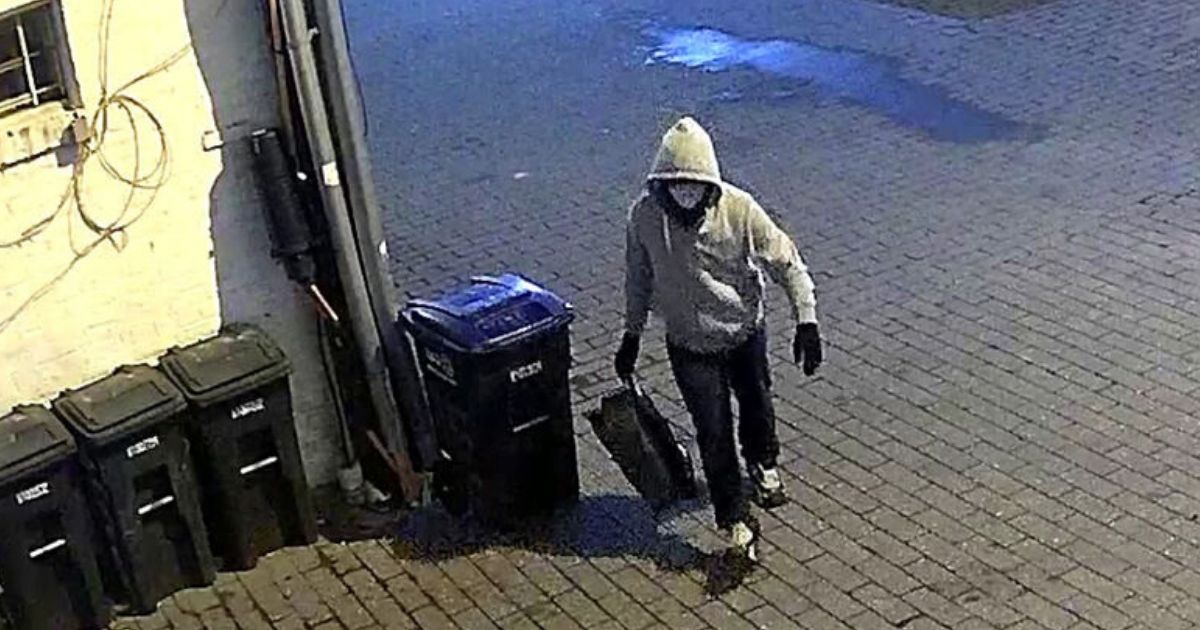
Former Secret Service agent Dan Bongino shared that “assets on the ground, including a whistleblower, were briefed about the pipe bombs the next day and shown a picture of a guy in a hoodie.” However, law enforcement was instructed to stand down shortly thereafter.
Representative Barry Loudermilk’s report pointed out federal law enforcement’s failure to identify the individual responsible for the pipe bombs, despite initial investigative efforts involving security footage and bomb component analysis.
The report also raised concerns over potential issues with “corrupted” cellular data received by the FBI from major cell carriers, although these carriers denied providing such data.
Further adding to the complexity, FBI whistleblower Kyle Seraphin revealed that technicians indicated the devices used were inoperable. Seraphin recounted being briefed on efforts to trace the suspect using Metro security footage, leading to a retired Air Force chief master sergeant. However, despite this lead, direct action was halted by FBI leadership, diverting focus to minor leads.