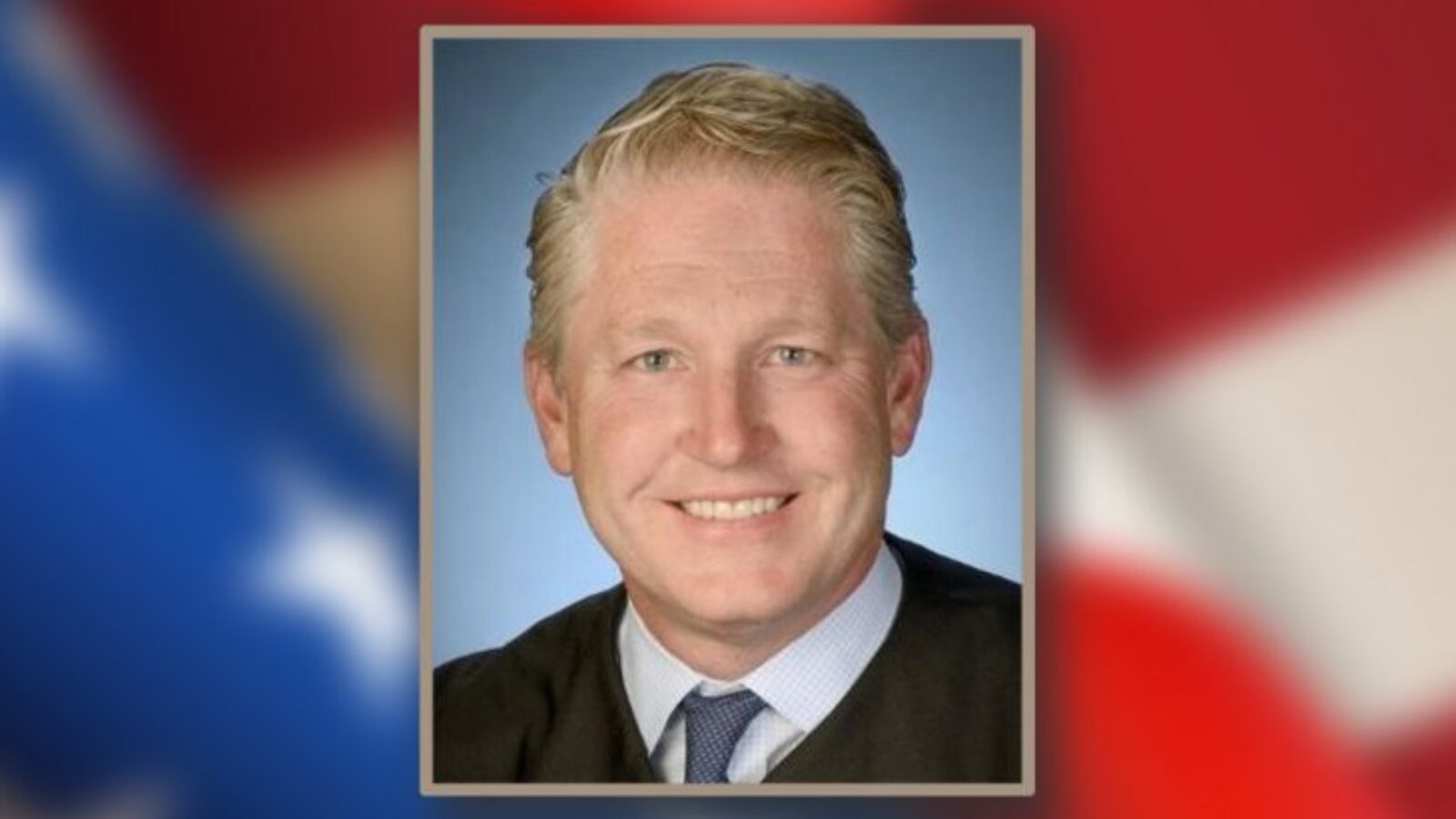

In a move aligning with the principles of efficient government and fiscal responsibility, a federal judge has stood firm against a bid to block the Trump administration’s restructuring of USAID. The decision is a testament to the administration’s commitment to reform.
US District Judge Carl Nichols, a notable Trump appointee, delivered a decisive ruling by denying a motion for a temporary restraining order (TRO) that would have reinstated dismissed USAID contractors. The contractors were unable to prove the sort of “irreparable harm” required for such emergency relief. Judge Nichols made it clear that this matter boils down to a contract dispute.
Judge Nichols has denied USAID contractors an emergency restraining order blocking the mass termination of their contracts, saying they haven’t shown the type of “irreparable” harm that warrants relief.
— Kyle Cheney (@kyledcheney)
March 6, 2025
According to The Hill, the judge’s verdict allows the Trump administration’s plans to reshape the agency to proceed. The judge noted that the personal services contractors of USAID had not successfully demonstrated the likelihood of success on the merits, thus negating their motion to restore their employment status.
The argument presented by the contractors suggested that any harm they face stems directly from contractual amendments made by the government, leading Judge Nichols to imply that they should seek resolution through alternative channels.
The Personal Services Contractor Association, an organization advocating for U.S. personal service contractors, had initiated legal proceedings against the Trump administration in an attempt to shield these workers from such significant restructuring efforts.
It was indicated in the legal filings that termination notices had been distributed to potentially hundreds among the approximately 1,110 USAID contractors. Of these, around 46% are stationed overseas.
Judge Nichols had previously declined a similar request from a union representing USAID contractors to halt the Trump administration’s directive to place thousands of USAID workers on leave.
In a detailed 26-page ruling, the judge concluded that the union did not provide sufficient evidence for further preliminary injunctive relief. The decision emphasized that the supposed risks faced by the contractors, such as reputational damage or hindrance from performing duties, did not meet the stringent standards required for a preliminary injunction.
As a result, thousands of USAID workers will be placed on administrative leave, underscoring the administration’s focus on accountability and the prudent use of taxpayer dollars.